Oratorio di Santa Cecilia
The Renaissance fresco cycle the Bolognesi call their Sistine, hidden off a portico
Ten frescoes by Francia, Costa and Aspertini | free to walk in | missed by almost everyone
Find the Frescoes Get Early Access🏛️ Essential Visitor Information
🎨 A Room They Call the Sistine of Bologna
Bologna keeps one of its greatest treasures in a room most visitors never find. Tucked beside the church of San Giacomo Maggiore, the Oratorio di Santa Cecilia is a single hall whose walls are wrapped in ten large frescoes of the life of Saint Cecilia, painted in the early 1500s by the finest artists working in the city. Bolognesi call it their Sistine, and yet you can often have it almost to yourself. It is free, it is quiet, and it is one of the purest hits of Renaissance painting anywhere in Emilia.
🧭 Hidden Off a Portico
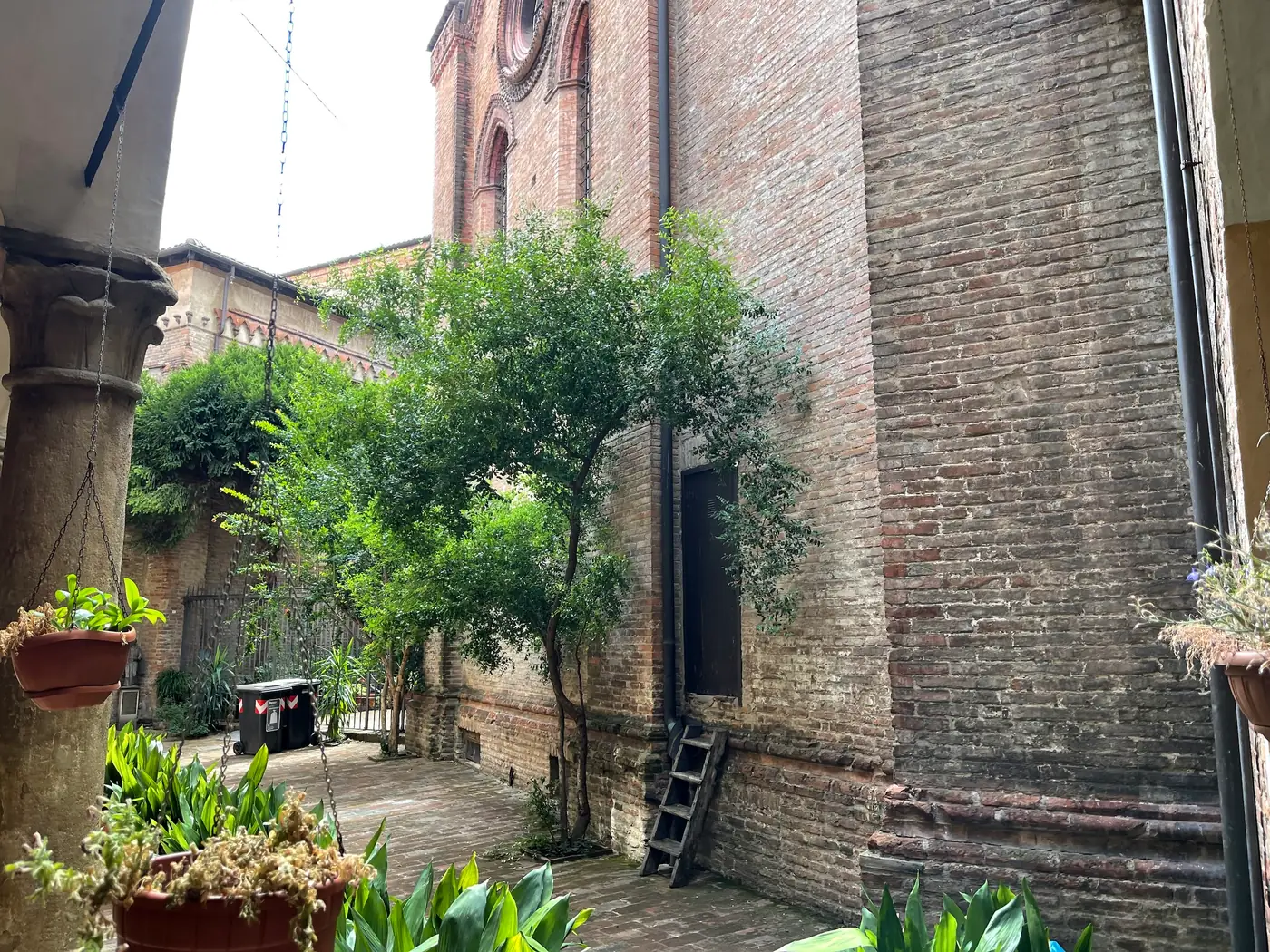
The reason so few people see it is that it hides in plain sight. There is no grand entrance on a piazza; the door opens off the portico of San Giacomo Maggiore on Via Zamboni, in the heart of the old university quarter, and thousands walk past it every day on their way to the towers or a coffee. Look for the small sign under the arcade, step through, and the noise of the street falls away into a long, calm room lit for its paintings.
🖼️ The Best Painters in Bologna
The cycle was begun in 1505 under Giovanni II Bentivoglio, the lord of Bologna, who set the leading painters of his court to work on the walls together. Francesco Francia, Lorenzo Costa and the restless, original Amico Aspertini painted the main scenes, with several other Bolognese masters filling out the ten panels. Seeing their work side by side, in the room it was made for, is a lesson in the Bolognese Renaissance you cannot get from any gallery.
✨ Free, Calm, and Almost Empty
What makes it a gem is not just the art but the way you meet it. There is no ticket line and no crowd, just a free door into a quiet room where a masterpiece happens to be. Recently restored and relit, the frescoes glow. Give it fifteen minutes on your way through the university quarter and it will be the thing you remember.
Gallery
Live Prices & Availability
Where to Stay Nearby
Some links may earn us a commission at no cost to you. We only recommend places we would stay.
🤫 Hidden Secrets
- The entrance is easy to miss: look under the portico of San Giacomo Maggiore on Via Zamboni for the small Santa Cecilia sign, not on the street front
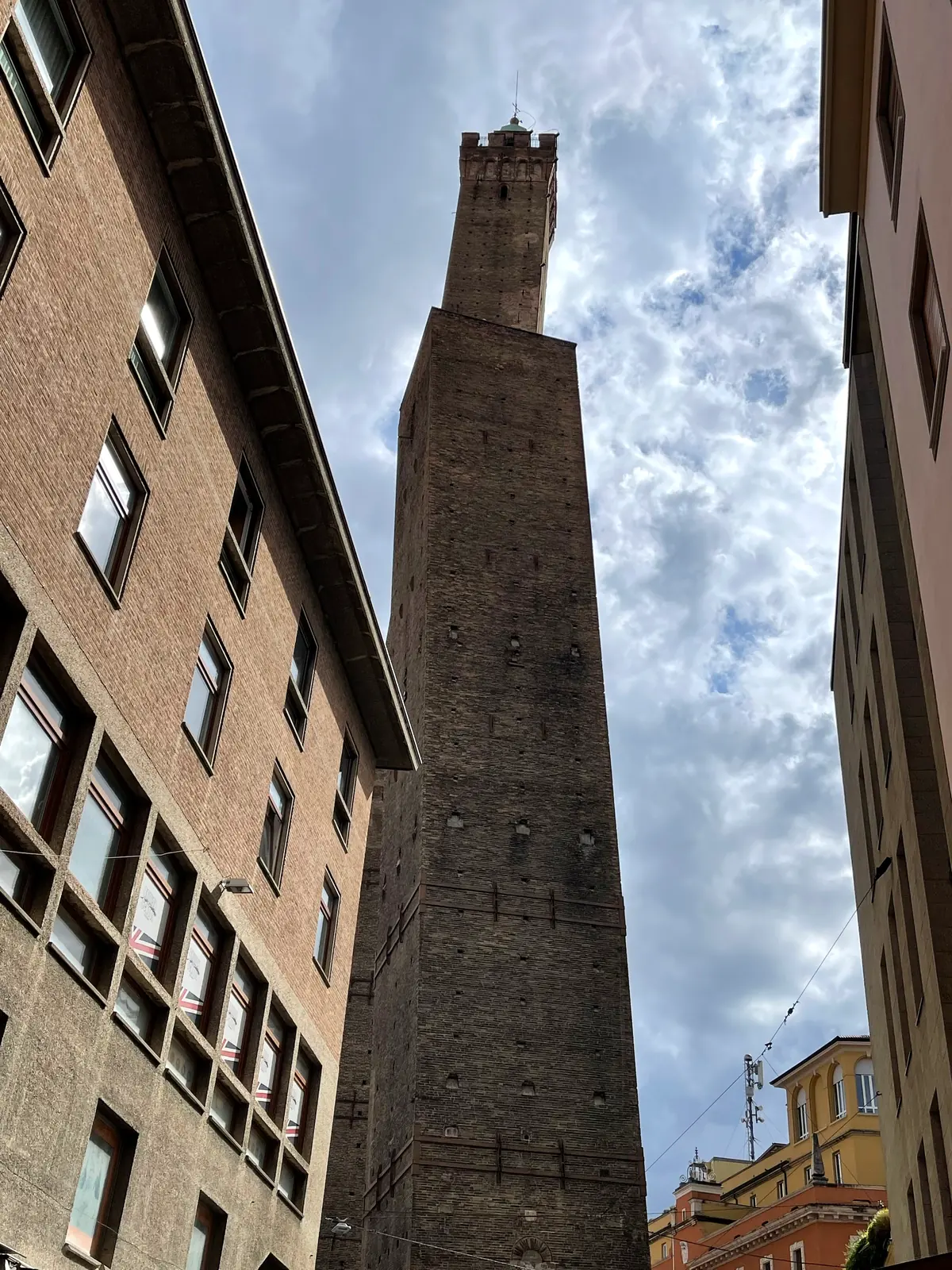
- It sits in the university quarter, so pair it with San Giacomo next door, the Due Torri a few streets away, and a coffee on Via Zamboni
📸 Photographer's Notes
- The oratory was recently relit for the frescoes, so no flash is needed and none is wanted; brace against a wall or a pillar in the low light
- The cycle runs right around the room, so step back to catch a whole panel with its painted frame rather than only the figures
Frequently Asked Questions
Continue Your Italian Journey
Explore more destinations in our Italian travel network
More journeys: 🌺 rHawaii ✈️ rVacation 📷 rPhotography 🍽️ rDining
Some links on this site are affiliate links. If you book through them, we may earn a commission at no additional cost to you. We only recommend tours and stays we would book ourselves.